
Aligning Rewards with Performance
PERFORMANCE & DEVELOPMENT
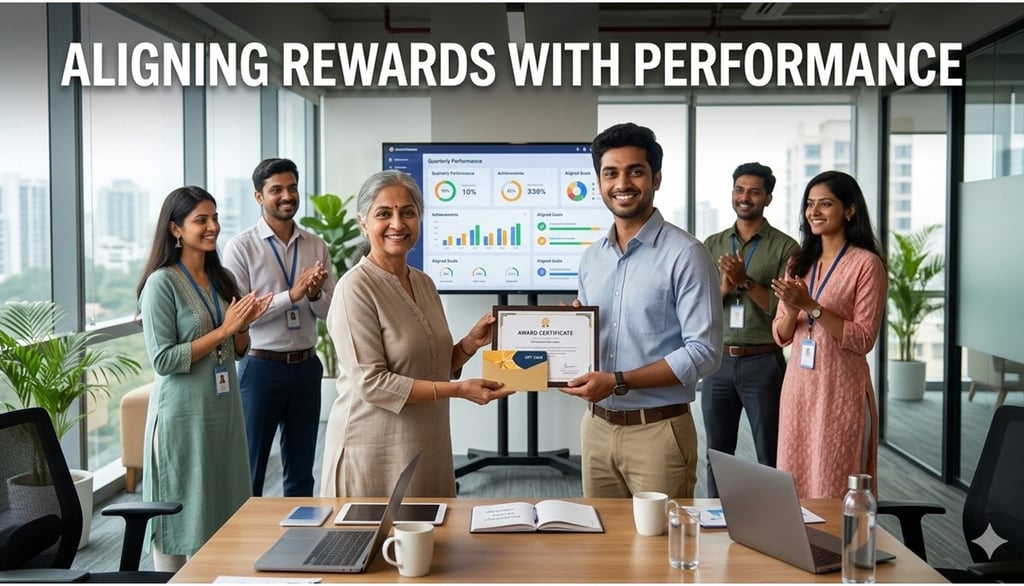
Reward systems are most effective when they reinforce behaviours, outcomes, and competencies that the organisation values. Aligning rewards with performance ensures employees are recognised and motivated for meaningful contributions, while supporting business objectives.
HR plays a critical role in designing and implementing reward strategies that are fair, transparent, and performance-driven.
Why Aligning Rewards Matters
Encourages behaviours that drive organisational success
Reinforces high performance and accountability
Increases engagement, retention, and motivation
Reduces perceptions of unfairness or bias
Supports long-term workforce planning and succession
When rewards are disconnected from performance, employees may feel demotivated, and high performers may disengage.
Types of Performance-Linked Rewards
Financial Rewards
Salary increments, bonuses, or variable pay linked to performance metrics
Non-Financial Rewards
Recognition, awards, certifications, or public acknowledgement
Career Rewards
Promotions, skill-enhancing assignments, or growth opportunities
Team-Based Rewards
Incentives or recognition for collective performance
A balanced reward mix addresses both individual and organisational goals.
HR’s Role in Aligning Rewards
Design transparent reward criteria
Define clear performance measures and thresholds
Ensure consistency across teams and roles
Integrate performance data
Use appraisals, 360-degree feedback, and objective metrics
Communicate effectively
Ensure employees understand how performance translates to rewards
Monitor outcomes
Track the effectiveness and fairness of reward decisions
Sample View: Reward Alignment Framework
Checklist: Aligning Rewards with Performance
☐ Define clear, measurable performance indicators
☐ Link financial, non-financial, and career rewards to performance
☐ Ensure transparency and consistency across roles
☐ Communicate reward criteria and outcomes to employees
☐ Monitor effectiveness and adjust the reward system periodically
Common Pitfalls to Avoid
Rewarding tenure or participation rather than performance
Ignoring alignment between team and individual goals
Lack of communication around how rewards are earned
Applying inconsistent standards across functions
Key Takeaway
When rewards are closely linked to performance, organisations motivate desired behaviours, retain top talent, and reinforce strategic priorities. HR’s role in structuring, communicating, and monitoring rewards is central to creating a fair, transparent, and motivating reward system.
Conclusion--
Effective labour law compliance depends on how well HR operations, payroll, and business processes work together. When compliance is embedded into everyday workflows, organisations reduce risk, improve accuracy, and build sustainable governance systems. HR teams that prioritise integration over isolation are better positioned to manage compliance confidently and consistently.
HireDesk India © 2026 | All Rights Reserved
"Thoughtful guidance for everyday HR"


Quick Links
Topics
Connect
_______________________________________________________________________________________________________________________________________________________________________________________
HireDesk is a free HR knowledge platform focused on practical, India-specific workplace guidance. We help HR professionals, managers, and learners navigate people practices with clarity, responsibility, and real-world relevance.